
Tech Trends for Digital Volunteerism - An Introduction
Recently, there has been a surge of groups and tools supporting digital volunteerism. Digital volunteers are "a new breed of people willing and able to respond is emerging — ones with technical skills. These are digital humanitarians who, whether they can code or simply use a computer or mobile device, are saying "I want to help, so help me help!" They generally fall into two categories: 1) I have a technical skill [novice to advanced] that could help, or 2) I am not near the disaster and can't be there in person, but I want to help. They are not mutually exclusive."
In the spirit of pushing this concept forward, I was recently asked to present on this topic to a number of non-profits that support disaster relief efforts. Below is the presentation that outlines existing digital volunteer groups as well as some common tools. There are of course many more tools, but this should provide a brief introduction.
Recently, there has been a surge of groups and tools supporting digital volunteerism. Digital volunteers are "a new breed of people willing and able to respond is emergencies — ones with technical skills. These are digital volunteers who, whether they can code or simply use a computer or mobile device, are saying 'I want to help, so help me help!' They generally fall into two categories: 1) I have a technical skill [novice to advanced] that could help, or 2) I am not near the disaster and can't be there in person, but I want to help. They are not mutually exclusive."
In the spirit of pushing this concept forward, I was recently asked to present on this topic to a number of non-profits that support disaster relief efforts. Below is the presentation that outlines existing digital volunteer groups as well as some common tools. There are of course many more tools, but this should provide a brief introduction.
How to Become a Digital Humanitarian?
With the rise of Digital Humanitarianism, people are no longer restricted to donating money or showing up in person in order to support response and relief efforts. They can support in new digital ways. From wherever they have internet access, people help filter important tweets and imagery, help identify individuals in need and connect them with appropriate resources, or develop new technologies to support response operations.
With the rise of Digital Humanitarianism, people are no longer restricted to donating money or showing up in person in order to support response and relief efforts. They can support in new digital ways. From wherever they have internet access, people help filter important tweets and imagery, help identify individuals in need and connect them with appropriate resources, or develop new technologies to support response operations. During Typhoon Haiyan, MicroMappers called on the public and help filter out the thousands of irrelevant tweets and images. Check out this great video by Paul Conneally on Digital Humanitarianism:
What I like about these new digital opportunities are that they range in skill from novice to expert and in many cases training is provided. But I wonder how many people outside of industry really know about ways they can contribute from the comfort of their own home? Or that they only need limited technology skills to support a crisis half way around the world?
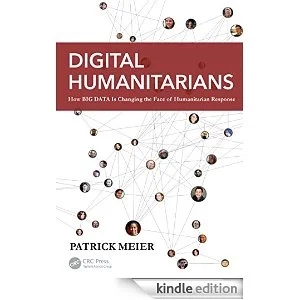
If you have a chance check out Patrick Meier's new book that chronicals the power of digital humanitarians.
