
To Make Better Decisions, Combine Datasets
The Harvard Business Review just published this excellent article about decision making and data. The key point it makes is that value and insights come from the ability to combine datasets. Two thoughts emerge:
First, when purchasing and using technology, ensure that data can be shared in real-time (if not, at least exportable in a non-proprietary format!). Otherwise, all you have is a fancy application that is good only for
The Harvard Business Review just published this excellent article about decision making and data. The key point it makes is that value and insights come from the ability to combine datasets. Two thoughts emerge:
First, when purchasing and using technology, ensure that data can be shared in real-time (if not, at least exportable in a non-proprietary format!). Otherwise, all you have is a fancy application that is good only for its intended purpose. The value is when you purchase technology that serves many more purposes. Today, that value is the ability to connect in real-time to other systems for better insights and information that is valid and current.
Second, we need more education on data science for every day disaster managers. Information is being used in increasingly complex ways to support disaster decision making and strategy. It is important that the workforce of today AND tomorrow can effectively harness this information to improve operations as well as their resilience and preparedness postures. Information will become an Achilles heel unless proper thought and consideration is given to this topic.
I am curious how you see these two topics. How do they affect you? Do you have more questions than answers about these topics?
Can We Help Find, Map and Visualize Data for Syria?

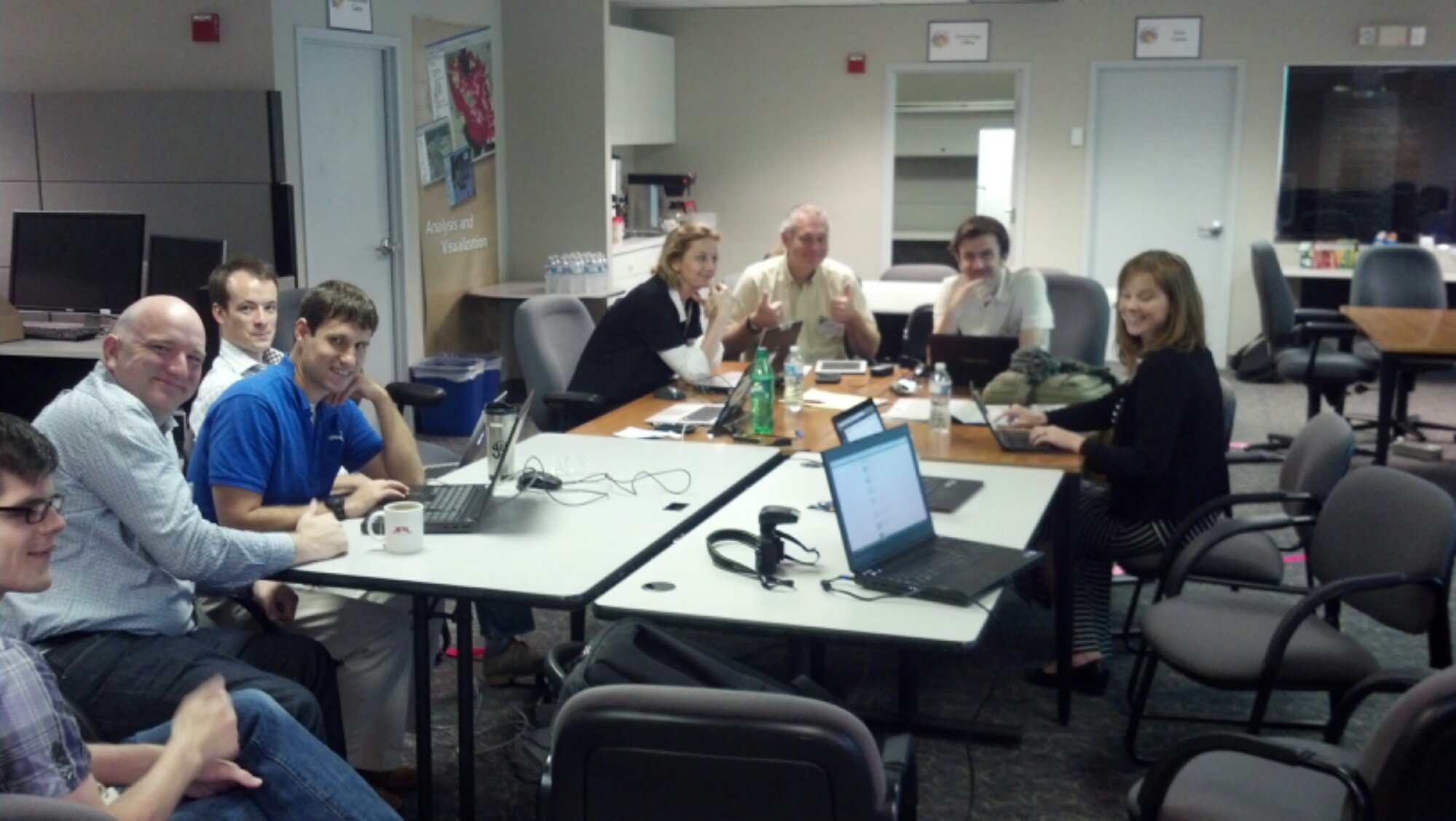
The OHI Code Sprint is gathering technologists and subject matter experts the week of Sept 9-13 to work on data, mapping and visualization problems in the humanitarian and disaster response space.

This week, we are using Syria as a use case. There is still time to get involved. Check out the evenbrite page for more information! We have a hackpack available as well.
Here is a good overview of what is going on:
While data is generated during post-disaster humanitarian efforts, it is rarely shared between organizations. The Open Humanitarian Initiative is a technology incubator and accelerator that will enable the sharing of data across various platforms by engaging NGO's, tech companies and academics. Learn more at: http://ohi.nethope.org/
Purpose of Code Sprint Experts with mapping and data tools will be joining forces Sept 9-13 in Birmingham, England; Arlington, VA; and remotely via the Humanitarian Toolbox. We'll be working with a scenario to see how data moves from one group to another and using the dedicated work time to create novel ways for spice data to flow.
Should I Attend? We are creating an event with tangible outputs. Real work will be done with a sense of urgency. If you want to participate in such a thing, bring a laptop and your brains. OHI and our event sponsors: ESRI, Splunk, and Aston University will provide food; and the OHI team will faciliate the event. If you work on mapping, data structures, humanitarian assisted disaster relief, design, etc this is the event for you.
We have several sequential goals over the week, which include:
- Identify/Gather Baseline Data
- Define the Who-What-Where of Existing Efforts
- Establish a Situational Overview
- Define Operational Gaps
- Define Operational Overlaps
- Identify Funding Paths
- Complete a Real-Time Operational Planning Exercise
- Complete a Real-Time Needs Analysis
- Secure Ad-Hoc Data Collection
As we push forward, if you can offer skills or expertise, let us know! We hope to accomplish as many of these goals over the week as possible.